 TacticScale
What Analog Devices Does & How It Makes Money (ADI)
Updated October 2026 · reflects Analog Devices's latest reported financials
Chipmaker turning real-world signals into digital data and managing power. ADI makes money selling integrated circuits, subsystems and related software to equipment makers in industrial, automotive, communications, consumer, healthcare and defense markets.
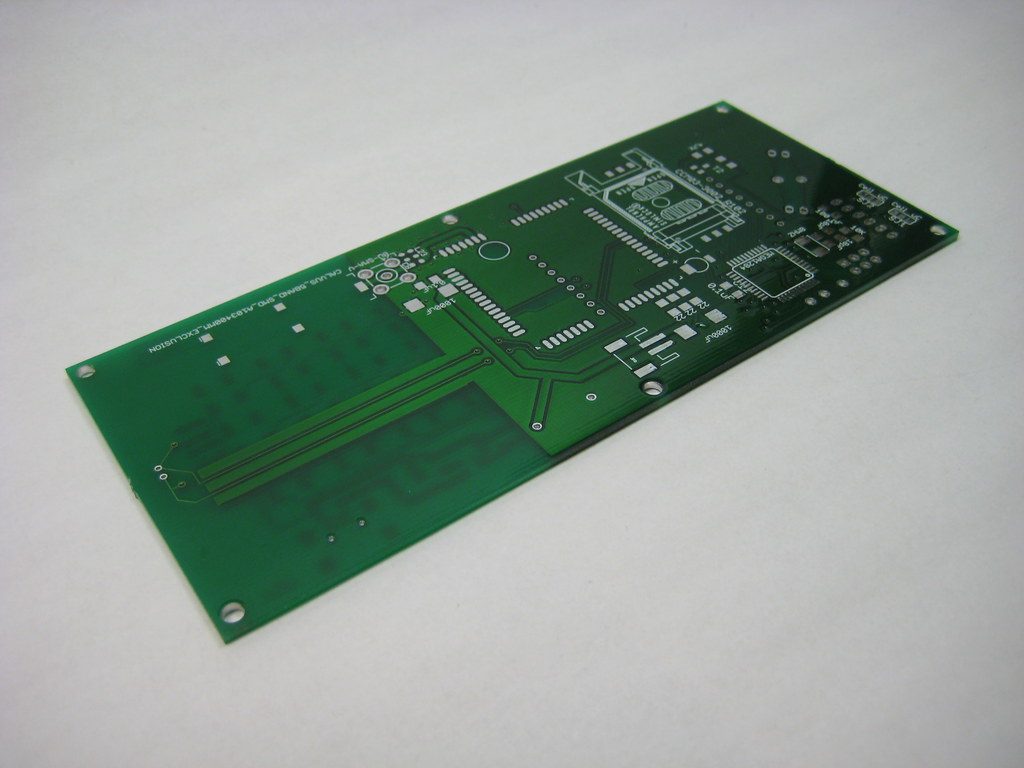
How Analog Devices makes money
ADI makes money selling integrated circuits, subsystems and related software to equipment makers in industrial, automotive, communications, consumer, healthcare and defense markets. It sells through its own direct sales force, third-party distributors, independent sales representatives and online.
What Analog Devices does
Analog Devices, founded in 1965 and based in Wilmington, Massachusetts, is a semiconductor company specializing in chips that connect the physical and digital worlds. Its core lineup includes data converters, amplifiers, power management and reference ICs, RF and microwave chips for cellular infrastructure, MEMS motion sensors, isolators and digital signal processors, along with software and design simulation tools. The company serves a broad, diversified customer base across industrial, automotive, consumer, instrumentation, aerospace, defense, healthcare and communications markets. It reaches customers through a direct sales force, distributors, independent reps and online channels, with operations spanning the Americas, Europe, Japan, China and the rest of Asia.
Products & services
- Data converters (analog-to-digital and digital-to-analog)
- Power management and reference ICs
- Amplifiers
- RF and microwave ICs
- MEMS accelerometers, gyroscopes and inertial measurement units
- Isolators and digital signal processors
What is Analog Devices worth?
On an owner-earnings DCF, Analog Devices's most-likely value is about $229 versus a recent price near $406 (44% above fair value). But TacticScale only calls a stock undervalued when the price sits below its conservative no-growth floor (~$99) with a margin of safety — so the honest verdict here is “Fairly priced — no edge.” Fair value earns its keep only at the extremes, not in the wide middle.
Price sits in the normal range — fair value isn't actionable here; it earns its keep only when price drops below the no-growth floor, or runs to roughly double the optimistic case.
Analysis, not advice. Fair value is a margin-of-safety estimate from a deterministic owner-earnings DCF, not a price target or recommendation. See the full breakdown →
Related companies
Diodes (DIOD) · Advanced Micro Devices (AMD) · Texas Instruments (TXN) · Beijing YanDong MicroElectronic (688172.SS) · ADI Global Distribution (ADIG)