 TacticScale
What United Airlines Does & How It Makes Money (UAL)
Updated October 2026 · reflects United Airlines's latest reported financials
Major US airline flying passengers and cargo worldwide. It earns most of its revenue from selling airline tickets through its website, app, and travel agencies, with more coming from cargo and mail shipping, its loyalty program, and third-party services such as maintenance, ground handling, and flight training.
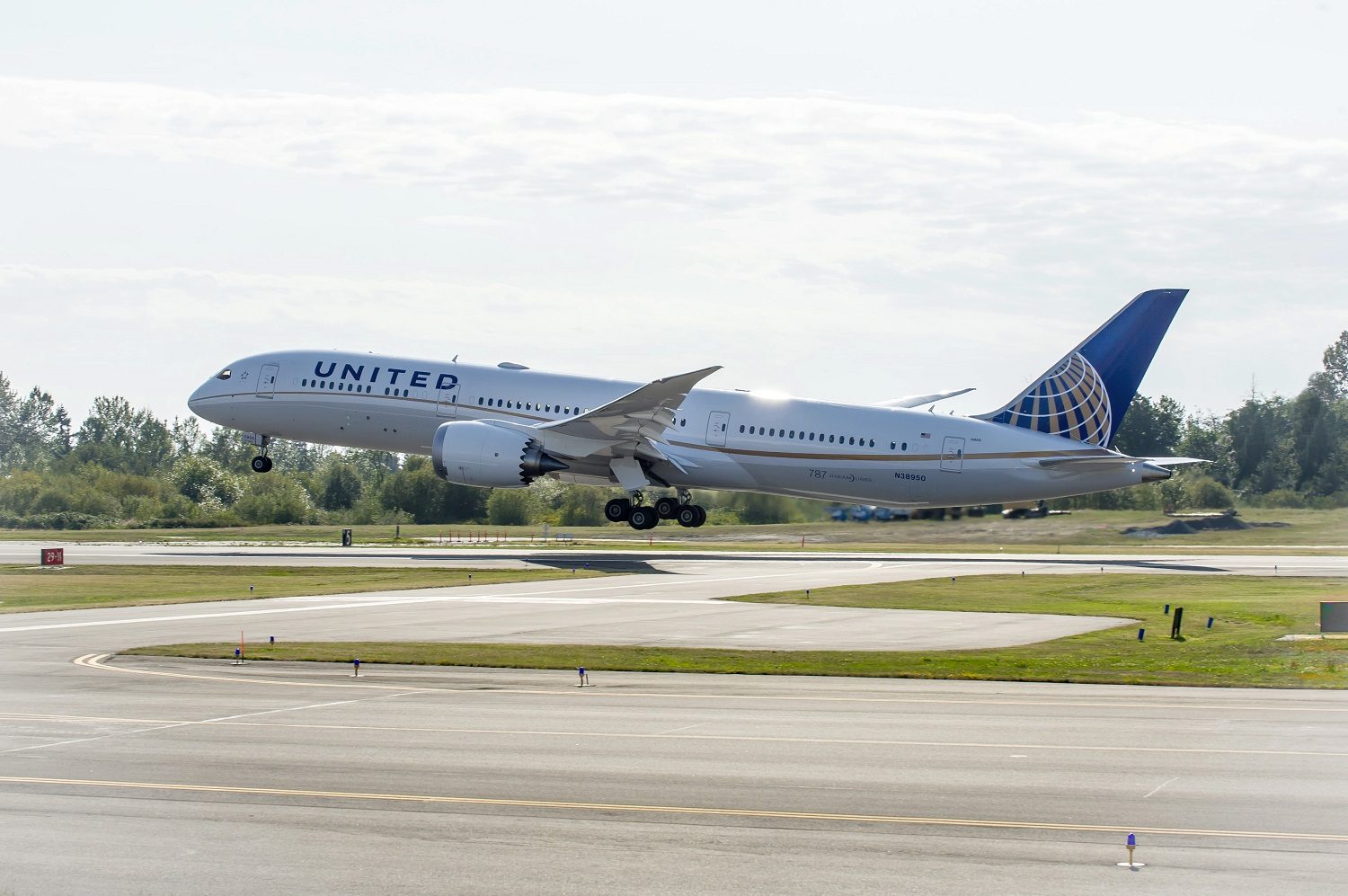
How United Airlines makes money
It earns most of its revenue from selling airline tickets through its website, app, and travel agencies, with more coming from cargo and mail shipping, its loyalty program, and third-party services such as maintenance, ground handling, and flight training.
What United Airlines does
United Airlines Holdings is the parent company of United Airlines, a Chicago-based carrier that transports passengers and cargo on mainline and regional fleets. Its network covers the U.S. domestic market as well as routes to Canada, the Atlantic, the Pacific, and Latin America. It sells tickets directly through its website and mobile app, and also through traditional and online travel agencies. Beyond passenger flying, United carries freight and mail for businesses, freight forwarders, logistics firms, and national postal services. It runs a loyalty program that includes non-travel award redemptions, and sells ground handling, flight academy, and maintenance services to third parties. The company was incorporated in 1968 and was called United Continental Holdings until it took its current name in June 2019.
Products & services
- Passenger air travel (mainline and regional)
- Cargo, freight and mail transport
- Frequent flyer loyalty program
- Aircraft maintenance services for third parties
- Ground handling services
- Flight academy
What is United Airlines worth?
On an owner-earnings DCF, United Airlines's most-likely value is about $128 versus a recent price near $107 (19% below fair value). But TacticScale only calls a stock undervalued when the price sits below its conservative no-growth floor (~$80) with a margin of safety — so the honest verdict here is “Fairly priced — no edge.” Fair value earns its keep only at the extremes, not in the wide middle.
Price sits in the normal range — fair value isn't actionable here; it earns its keep only when price drops below the no-growth floor, or runs to roughly double the optimistic case.
Analysis, not advice. Fair value is a margin-of-safety estimate from a deterministic owner-earnings DCF, not a price target or recommendation. See the full breakdown →
Related companies
American Airlines (AAL) · Delta Air Lines (DAL) · Alaska Air (ALK) · Southwest Airlines (LUV)