 TacticScale
What Dollar General Does & How It Makes Money (DG)
Updated October 2026 · reflects Dollar General's latest reported financials
Discount retailer selling low-cost everyday essentials across the U.S. It makes money by buying merchandise and reselling it at a markup through its discount stores.
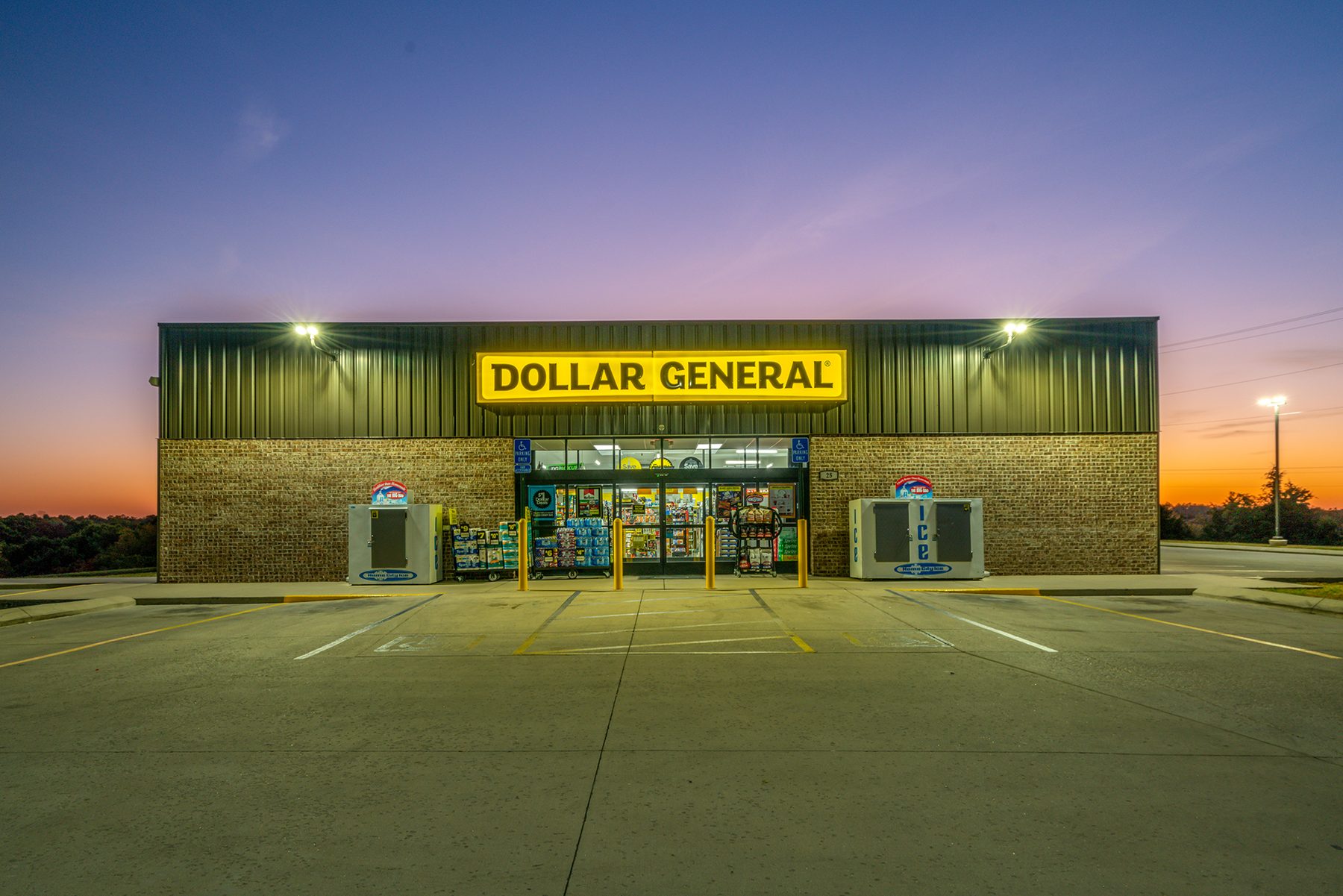
How Dollar General makes money
It makes money by buying merchandise and reselling it at a markup through its discount stores. Most of its sales come from everyday consumables that customers buy again and again.
What Dollar General does
Dollar General Corporation is a discount retailer selling low-priced everyday merchandise across the southern, southwestern, midwestern and eastern United States. Consumable products make up the core of its assortment: paper and cleaning products, packaged food, perishables like milk, eggs, bread and frozen food, snacks and beverages, over-the-counter medicines, personal care, pet supplies and tobacco. On top of those basics, it sells seasonal items such as holiday goods, toys, electronics and gardening supplies, plus home products and apparel. The company was founded in 1939 as J.L. Turner & Son, took the Dollar General name in 1968, and is based in Goodlettsville, Tennessee. It sits in the Consumer Defensive sector, where demand for staples tends to hold up.
Products & services
- Consumables (paper towels, cleaning and laundry products)
- Packaged food, snacks and beverages
- Perishables (milk, eggs, bread, frozen food)
- Over-the-counter medicines and personal care
- Seasonal and home products
- Apparel
What is Dollar General worth?
On an owner-earnings DCF, Dollar General's most-likely value is about $169 versus a recent price near $127 (33% below fair value). But TacticScale only calls a stock undervalued when the price sits below its conservative no-growth floor (~$90) with a margin of safety — so the honest verdict here is “Fairly priced — no edge.” Fair value earns its keep only at the extremes, not in the wide middle.
Price sits in the normal range — fair value isn't actionable here; it earns its keep only when price drops below the no-growth floor, or runs to roughly double the optimistic case.
⚠ High leverage — net debt is 6.9× annual cash flow. Net debt is subtracted from this fair value, but refinancing at higher rates, principal timing, and share dilution aren’t modeled — the equity can be worth far less if cash flow weakens.
Analysis, not advice. Fair value is a margin-of-safety estimate from a deterministic owner-earnings DCF, not a price target or recommendation. See the full breakdown →
Related companies
Dollar Tree (DLTR) · Target (TGT) · Walmart (WMT) · DICK'S Sporting Goods (DKS) · Albertsons Companies (ACI)